
If you’re looking for in-home care for seniors in Brazoria County, you’re trying to solve one of the biggest challenges families face: keeping a parent or aging loved one safe, comfortable, and independent without uprooting their life.
Good news: in-home care services are available throughout Brazoria County, including Lake Jackson and surrounding areas. Whether your mom needs help after surgery, your dad wants to stay in his own home as he ages, or you need support managing daily tasks, there are options designed to help.
Let’s walk through what in-home care actually looks like, what’s available locally, and how to figure out what your family needs.
What Counts as In-Home Care for Seniors?
In-home care isn’t one-size-fits-all. It breaks down into two main types, and knowing the difference matters for your situation.
Non-medical in-home care is the hands-on help with daily life. Think assistance with bathing, dressing, meal prep, light housekeeping, medication reminders, and companionship. This type of care is available for seniors of all ages, including those recovering from illness or surgery. It’s perfect if your loved one is physically okay but needs a helping hand to stay independent.
Medical in-home care involves nurses or trained medical professionals handling wound care, physical therapy, medical equipment management, and other health-related tasks. This is typically ordered by a doctor and covered differently than non-medical services.
Most families in Brazoria County use a mix of both, depending on their situation. A senior might need medical care right after hip surgery, then transition to non-medical companionship and help with household tasks as they heal.
In-Home Care Services Available in Brazoria County
Multiple specialized in-home care providers operate throughout the county. You can find services in Angleton, Alvin, Lake Jackson, and other surrounding communities.
When you reach out to providers, they’ll ask about your loved one’s specific needs. Are they recovering from surgery? Do they have mobility challenges? Do they live alone and need someone to check in? Are they managing multiple medications? Your answers help match them with the right support.
The goal is always the same: help seniors maintain safety, comfort, and independence while staying at home. That’s huge. It beats moving to a facility your loved one doesn’t want, and it keeps them in the environment where they’re most comfortable.
County Programs That Help Pay for Care
Brazoria County has a health care program called the County Indigent Health Care Program (CIHCP) that provides medically necessary health care benefits. You can find offices in Angleton and Alvin where you can learn about enrollment and eligibility.
This program helps bridge the gap for seniors who don’t qualify for Medicare or Medicaid, or who need extra support. If cost is a concern for your family, this is worth exploring.
Beyond county programs, talk directly with in-home care providers about what services they offer and what payment options exist. Some work with insurance, some offer sliding scale fees, and some have partnerships with local organizations. You won’t know unless you ask.
Supporting Family Caregivers
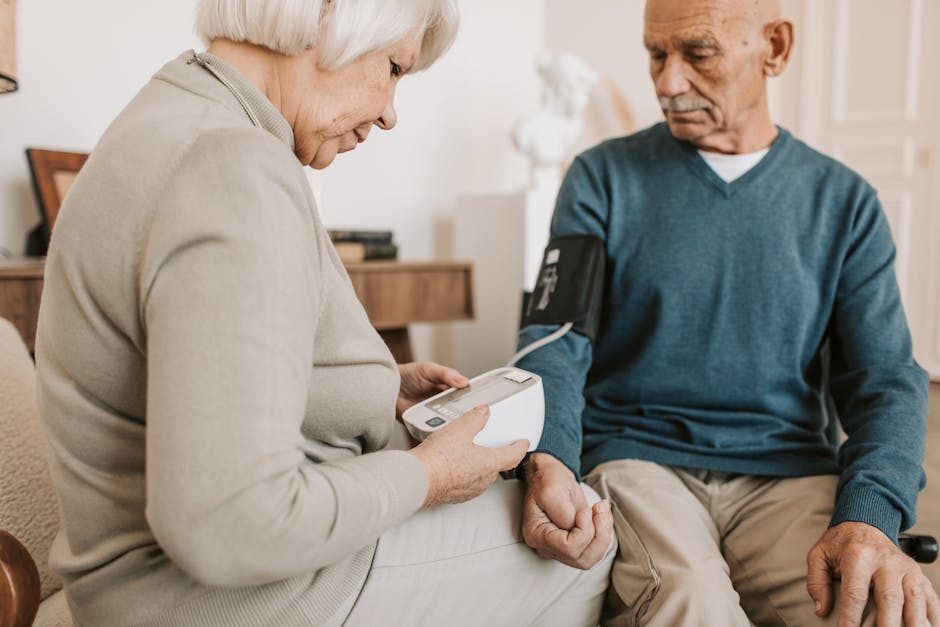
Here’s something that often gets overlooked: if you’re the primary caregiver for your aging parent or spouse, you need support too.
In-home care isn’t just about helping your loved one. It’s also about giving you a break, reducing stress, and preventing burnout. You can’t pour from an empty cup, and caregiving is physically and emotionally exhausting.
Professional in-home care providers can give you that breathing room. Maybe a companion comes three afternoons a week so you can run errands, work, or just rest. Maybe a caregiver handles bathing and dressing so you’re not doing everything alone. These aren’t luxuries. They’re survival tools for family caregivers.
When you’re evaluating in-home care options, think about what would make your life easier, not just what your loved one needs. A good provider will ask about both.
How to Get Started with In-Home Care
Step one: identify what your family actually needs. Is this short-term (recovery from surgery) or long-term (ongoing aging support)? Does your loved one need medical care, personal assistance, or just companionship? Is safety the main concern, or is it independence and quality of life?
Step two: contact providers and the county program. Ask questions. Get a sense of who they are, how they work, and whether they feel like a good fit. This person will be in your home regularly, so trust matters.
Step three: if your loved one qualifies for medical care, get a prescription from their doctor. This opens doors for coverage and ensures care is coordinated with their medical team.
Step four: start small if you’re nervous. Many families try care a few hours a week first, just to see how it goes. There’s no rule that says you have to commit to full-time care from day one.
If you want professional guidance walking through these steps, helpinctexas.com can connect you with local resources and help you think through what makes sense for your family.
Making the Decision: Is In-Home Care Right for Your Family?
Here’s the honest truth: in-home care works best when your family is ready for it. Some people resist it because they think it means they’ve failed or their loved one is giving up independence. That’s backwards.
In-home care is actually how you protect independence. It keeps your parent in their home, on their schedule, with their routines intact. A caregiver isn’t there to take over. They’re there to support and assist while your loved one stays in control of their life.
If your loved one is struggling with daily tasks, if you’re exhausted from doing everything alone, or if safety is becoming a real concern, in-home care isn’t a last resort. It’s a smart solution.
Brazoria County has the services and support systems in place. Multiple providers can help, county programs exist to assist with costs, and the infrastructure is there. Your job is to reach out, ask questions, and find the right fit for your family’s specific situation.
Finding the Right Provider Near You
When you’re searching for in-home care in Brazoria County, look for providers who understand the local community and have real experience with seniors and families like yours.
Ask about their hiring and training practices. Do they do background checks? How do they train caregivers? What happens if your regular caregiver is sick and can’t come?
Ask about flexibility. Can they adjust schedules? Do they offer emergency care? What’s the process if things aren’t working out?
Ask for references from other families in the area. Real stories from real neighbors matter more than marketing promises.
And don’t skip the county resources. The offices in Angleton and Alvin can answer questions about programs, eligibility, and local providers. They’re a free resource, and they know Brazoria County inside and out.
Starting in-home care is a big decision, but it doesn’t have to be overwhelming. You have options, support systems, and providers ready to help. Take your time, ask the right questions, and choose what makes sense for keeping your loved one safe and independent at home.
FAQs About In-Home Care for Seniors in Brazoria County
What’s the difference between in-home care and assisted living?
In-home care happens in your loved one’s house. A caregiver comes to them. Assisted living is a facility where your loved one moves in. In-home care keeps your senior in their familiar environment with their own routines, pets, and possessions. It’s usually less expensive and works well for people who want to stay home.
How do I know if my loved one qualifies for the county health care program?
Eligibility depends on income and medical need. Contact the County Indigent Health Care Program offices in Angleton or Alvin directly. They’ll walk you through what qualifies and what documentation you need. It’s free to ask, and there’s no penalty if you don’t qualify.
Can in-home care help right after surgery?
Yes, absolutely. Non-medical in-home care is great for post-surgery recovery. A caregiver can help with bathing, dressing, meal prep, and household tasks while your loved one heals. If medical care is needed (like wound care), medical providers can come too. Many families use both types of care during recovery.
What if I can’t afford in-home care?
Talk to providers about payment options, sliding scale fees, and partnerships with local organizations. Look into the county program. Ask your loved one’s doctor if medical care might be covered by insurance. Some providers can also help you understand what’s available. The cost question is worth asking directly. There might be options you don’t know about yet.