
If you’re looking for in-home care for seniors in Angleton, you’re not alone. Many families in Brazoria County face the same question: how do you keep your aging loved one safe, comfortable, and independent at home? The good news is that quality in-home care options exist right here in your community, and we’ll walk you through everything you need to know to make the right choice.
In-home care for seniors in Angleton typically falls into two categories. Medical home health care is usually covered by insurance and involves nurses or therapists. Non-medical companion care is what most families use to keep seniors safe, active, and supported in their own homes. This guide focuses on non-medical in-home care, which is personalized, flexible, and designed around your loved one’s daily life.
Related: Companion Care for Aging Parents: A Guide to Support
Related: In-Home Care for Seniors in Lake Jackson: A Local Guide
Related: In-Home Care for Seniors in Brazoria County: Complete Guide
Related: Post-Surgery Home Care in Angleton: A Complete Guide
What In-Home Care Actually Includes
In-home care services go way beyond just checking in on someone. When you arrange in-home care for a senior in Angleton, you’re typically getting help with the stuff that matters most for quality of life.
Companion care means someone is there to help with daily tasks like getting dressed, preparing meals, light housekeeping, and managing medications. It’s not just about tasks, though. A good companion caregiver becomes part of your loved one’s routine, offering emotional support and social connection.
Specialized assistance is available for seniors dealing with Alzheimer’s or dementia. Caregivers trained in these areas understand the unique challenges your family faces and adapt their approach to keep things calm and safe.
Personal care assistance includes help with bathing, grooming, mobility, and bathroom needs. This is where dignity and respect matter most. You want caregivers who treat your loved one with genuine care and professionalism.
Errands and transportation help seniors get to appointments, go grocery shopping, or visit friends. Staying active and connected is huge for mental health and independence.
Medical vs. Non-Medical Care: What’s the Difference?
This distinction changes everything about cost, insurance coverage, and what to expect.
Medical home health care involves licensed nurses, physical therapists, or occupational therapists. It’s often covered by insurance because it’s medically necessary. You typically need a doctor’s order, and visits are scheduled around specific health goals like wound care or physical recovery after surgery.
Non-medical in-home care is companion and personal care. It’s not covered by most insurance plans, so you’ll be paying out of pocket. But here’s the thing: it’s often what seniors actually need most. When your parent wants help with laundry, someone to sit with them while they eat, or a ride to the grocery store, non-medical care is your answer.
Many families use both. A senior might have a nurse visit twice a week after surgery and have a companion caregiver there four days a week for daily support.
How to Find and Choose In-Home Care Providers in Angleton
Finding the right provider starts with knowing what questions to ask.
First, clarify what your loved one actually needs. Is it daily help or a few hours a week? Are there specialized needs like dementia care? Does your senior have mobility issues or medical equipment that requires training? Write this down before you start looking.
Research providers in Angleton and the surrounding areas, including Lake Jackson and nearby communities. Most providers serve multiple towns, so you have options. Look for caregivers or agencies that specialize in companion care and have experience with seniors in your loved one’s situation.
Ask about availability. Do you need someone during the day, evening, or overnight? Some families need 24-hour care, while others need just a few hours weekly. Reputable providers are honest about their availability and will tell you if they can’t meet your schedule.
Interview potential caregivers or agency staff. You’re looking for someone trustworthy, patient, and genuinely interested in your loved one’s wellbeing. Ask about their training, experience, and how they handle common situations. Trust your gut here. If something feels off, keep looking.
Request references and background checks. Good providers expect this. You should be able to speak with other families they’ve worked with and know that your caregiver has been screened properly.
Discuss the plan. Before care starts, work out the details. What time do they arrive? What are the daily priorities? How do they communicate with you? Are there backup caregivers if the primary person is sick?
When you’re ready to start, helpinctexas.com can answer questions about in-home care options and help you understand what services might work for your family’s situation.
What to Expect During Your First Week of Care
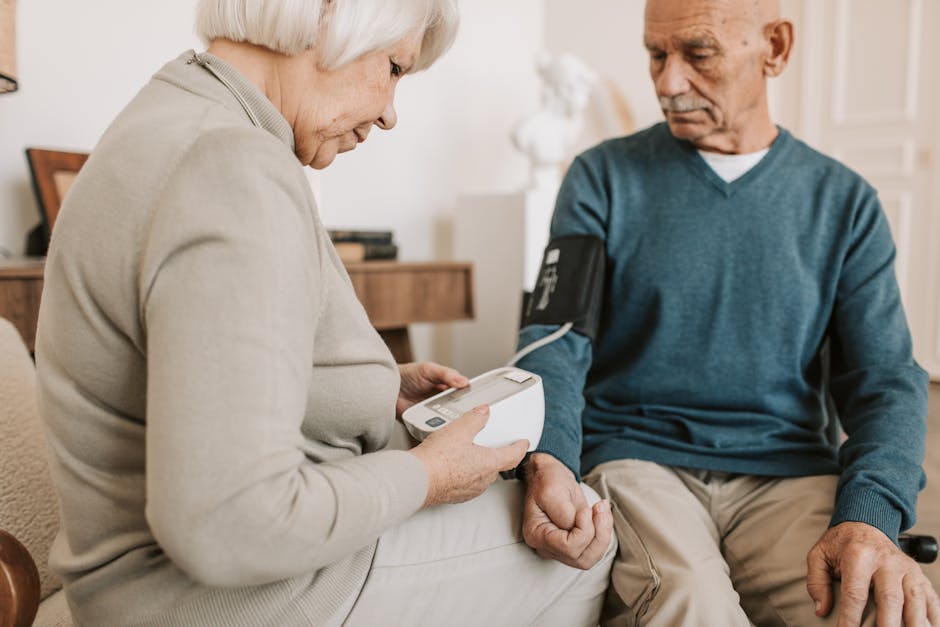
The first week is an adjustment for everyone. Your senior might feel a little awkward having someone new in their home. The caregiver is learning your loved one’s preferences, routines, and personality.
A good caregiver will spend the first visits listening and observing. They’ll ask where things are, what your loved one’s routine looks like, and what matters most. They’ll move slower than necessary, learning the lay of the land.
Keep communication open. If something isn’t working, say so early. Maybe your parent prefers coffee at 7 am, not 8. Maybe the caregiver’s schedule needs tweaking. These early adjustments are totally normal and expected.
Most families see real improvement in the second and third weeks. Routines settle, the caregiver becomes familiar, and your loved one starts to relax. That’s when you know you’ve made the right choice.
24-Hour Care Options in Angleton
Some seniors need round-the-clock support. Maybe they have significant mobility issues, advanced dementia, or complex care needs. Twenty-four-hour in-home care is available in Angleton and nearby areas.
This kind of arrangement usually involves multiple caregivers rotating shifts or one caregiver living in your home. It’s a bigger commitment and requires careful planning around meals, rest, and caregiver wellness.
With 24-hour care, your senior gets constant support, which means more independence at home and less risk of falls or emergencies going unnoticed. It’s also usually less disruptive than moving to a facility, and your loved one stays in a familiar environment.
Talk with experienced providers about whether 24-hour care makes sense for your situation. Sometimes partial coverage (mornings and evenings) is enough. Sometimes full coverage is necessary. There’s no one-size-fits-all answer.
Making the Transition Smooth for Your Loved One
Change is hard, especially for older adults. Your senior might worry about privacy, losing independence, or having a stranger in their home. These feelings are real and deserve attention.
Be honest. Explain why in-home care helps them stay home longer and live more independently. Frame it as support, not loss of control. Let them know they have a say in how things work.
Start small if possible. A few hours a week gives everyone time to adjust. You can expand from there.
Let them make decisions about what the caregiver does. If your loved one wants to make their own breakfast, fine. The caregiver can supervise or help only if needed. Autonomy matters.
If your loved one is resistant, give it time. Many seniors warm up to caregivers after a week or two, once they see the benefit and get comfortable with the person.
Cost and Payment Considerations

Non-medical in-home care in Angleton is typically paid out of pocket. The exact cost depends on how many hours you need, what services are included, and whether you hire independently or through an agency.
Most families budget for several hours a week to start. If you need more info about what in-home care might cost for your situation, helpinctexas.com can walk you through the considerations and help you think through what makes sense for your budget.
Some seniors have long-term care insurance that covers part of in-home care. Others use savings or get family members to contribute. A few states offer Medicaid programs that cover non-medical care, so it’s worth asking.
Getting Support as a Family Caregiver
If you’re the primary family caregiver, in-home care takes some of the load off. You’re not alone in managing everything anymore. But caregiving is still stressful, and you still need support.
Find a community resource or support group. Talking with other families who are walking the same path helps. You realize you’re not the only one feeling overwhelmed.
Don’t try to do this alone. Whether it’s professional care, family help, or community resources, you need a team. Taking care of yourself isn’t selfish. It’s essential.
Frequently Asked Questions
Is in-home care covered by Medicare or insurance?
Medical home health care (nursing, therapy) is often covered by Medicare and insurance when medically necessary. Non-medical companion care and personal care are usually not covered. You’ll want to check your specific policy and ask your provider what they might cover in your situation.
What if my loved one has Alzheimer’s or dementia?
Providers in Angleton offer specialized Alzheimer’s and dementia care. Caregivers trained in these services understand how to communicate effectively, handle behavioral changes, and keep your loved one safe. This is one of the most important specialized services available.
Can I hire a caregiver directly, or should I use an agency?
Both options exist. Hiring independently is often less expensive but puts more responsibility on you for vetting, scheduling, and payroll. Agencies handle those details but typically cost more. Think about what matters most for your family. Agencies provide backup coverage if your caregiver is sick, which is valuable for many families.
What happens if in-home care stops working out?
It’s okay to make changes. If a caregiver isn’t the right fit, you can request someone else or try a different provider. You can also adjust how many hours or what services you’re using. Your loved one’s comfort and your family’s peace of mind come first.


