
If you’re looking for in-home care for seniors in Lake Jackson, you’ve got options. Whether your loved one needs help with daily tasks, recovery support after surgery, or assistance managing a health condition, there are local providers ready to help them stay safe and independent at home.
Let’s walk through what in-home care looks like in Lake Jackson, how to find the right fit, and what questions to ask when you’re making this important decision.
What In-Home Care for Seniors Looks Like in Lake Jackson
In-home care isn’t one-size-fits-all. It covers a wide range of services depending on what your loved one actually needs.
Some seniors need help with everyday tasks like bathing, dressing, meal prep, and light housekeeping. Others need skilled nursing care or therapy services after a hospital stay. Many need a mix of both.
The beauty of in-home care is that it happens in a familiar environment. Your loved one gets support without leaving the place they know best. That comfort matters more than you might think, especially for someone adjusting to needing help.
Lake Jackson has multiple home health agencies serving the area, so you’re not limited to just one option. Each provider brings their own approach, but they all focus on helping seniors recover safely, manage ongoing health conditions, and stay as independent as possible.
Types of In-Home Care Services Available Locally
When you start researching in-home care for seniors in Lake Jackson, you’ll see different service categories. Knowing the difference helps you pick what actually fits your situation.
- Companion care: Help with daily activities, errands, meal prep, and companionship. This is non-medical support that keeps your loved one safe and engaged.
- Personal care: Assistance with bathing, dressing, grooming, and toileting. A caregiver handles the physical tasks that become harder as we age.
- Skilled nursing: Professional medical care from licensed nurses. This includes wound care, medication management, and monitoring health conditions.
- Therapy services: Physical therapy, occupational therapy, or speech therapy to help seniors recover mobility, independence, and function after illness or injury.
- Specialized care: Support for specific conditions like dementia, Parkinson’s, diabetes, or post-surgery recovery.
Not every provider offers every service, so start by listing what your loved one actually needs. That’s your roadmap for finding the right match.
How to Choose an In-Home Care Provider in Lake Jackson
With 68 home health agencies operating in the Lake Jackson area, the choice can feel overwhelming. Here’s how to narrow it down.
Start with what matters most. Do you need skilled medical care, or is companion care enough? Is availability important—can they come at specific times? Do you want someone with experience in a particular condition or situation?
Related: Durable Medical Equipment Lake Jackson: Where to Find It
Related: Respite Care in Lake Jackson: Relief for Family Caregivers
Related: Bathroom Safety Equipment in Lake Jackson: A Complete Guide
Related: Wheelchair Rental in Lake Jackson: Quick Guide
Related: Walkers and Mobility Aids in Lake Jackson: A Buyer’s Guide
Check their track record. Some agencies have earned high-performance ratings for their services. Ask about their experience, how long they’ve served the community, and whether they have positive reviews from families like yours.
Ask about continuity. Will your loved one work with the same caregiver over time, or does it change? Consistency builds trust and understanding.
Talk about training and background. How do they hire and train their caregivers? Are they background-checked? Do they have certifications in CPR, first aid, or specialized care?
Understand their process. How do they assess your loved one’s needs? Do they create a personalized care plan? Will they adjust as needs change?
If you want hands-on guidance navigating these choices, helpinctexas.com offers companion care services designed for seniors and families in Brazoria County. They can help you understand what your loved one needs and how in-home support fits into their life.
Related: Respite Care Services for Texas Seniors: A Guide
Related: Companion Care for Aging Parents: A Guide to Support
Related: In-Home Care for Seniors in Brazoria County: Complete Guide
Related: In-Home Care for Seniors in Angleton: A Complete Guide
Questions to Ask When You Contact a Provider

Once you’ve narrowed your list, have a real conversation with each provider. Here are the questions that matter most.
- How do you match caregivers to clients, and can we request a specific person?
- What’s your availability? Can you work around our schedule?
- How much training and certification do your caregivers have?
- What happens if our regular caregiver is sick or unavailable?
- How do you handle communication between the caregiver, our family, and any doctors involved?
- What’s your process for adjusting the care plan as needs change?
- How do you ensure quality and safety in the care provided?
- What are your policies around privacy, confidentiality, and respect for our loved one’s home?
Pay attention to how they answer. A good provider will take time to understand your situation and answer thoughtfully, not rush you off the phone.
What to Expect in Your First Week
Once you’ve selected a provider, the transition usually follows a pattern.
Initial assessment: A representative meets with your loved one to understand their health, habits, preferences, and what they need help with. This isn’t quick—good providers take time here.
Care plan creation: Based on the assessment, they outline exactly what the caregiver will do, when they’ll come, and how often. Your input shapes this plan.
Caregiver introduction: Your loved one meets the person who’ll be caring for them. This is a chance to build comfort and ask questions.
Ongoing communication: Regular check-ins let you know how things are going and make adjustments early if something isn’t working.
The first week might feel awkward. That’s normal. Most families find that comfort grows quickly once routines settle in.
Making the Most of In-Home Care Support
Having someone come into your home is a big step. Here’s how to set your loved one and the caregiver up for success.
Be clear about expectations. Write down daily routines, preferences, and any safety concerns. The more the caregiver knows, the better they can help.
Communicate with your loved one. If this is new for them, talk about what to expect. Frame it as support, not loss of independence. Many seniors warm up to care quickly when they understand it’s there to help them do what they love.
Stay involved. Check in regularly. Ask how things are going. Let the caregiver know you’re present and that your loved one matters to you (they already know this, but it reinforces the quality of care).
Adjust as needed. If something isn’t working, speak up early. Good providers want to hear it and will make changes.
When you’re ready to explore in-home care options tailored to your loved one’s needs, helpinctexas.com brings a compassionate, community-focused approach to senior care in Lake Jackson and Brazoria County. They specialize in companion care and work closely with families to ensure the right support is in place.
Common Concerns Family Caregivers Have
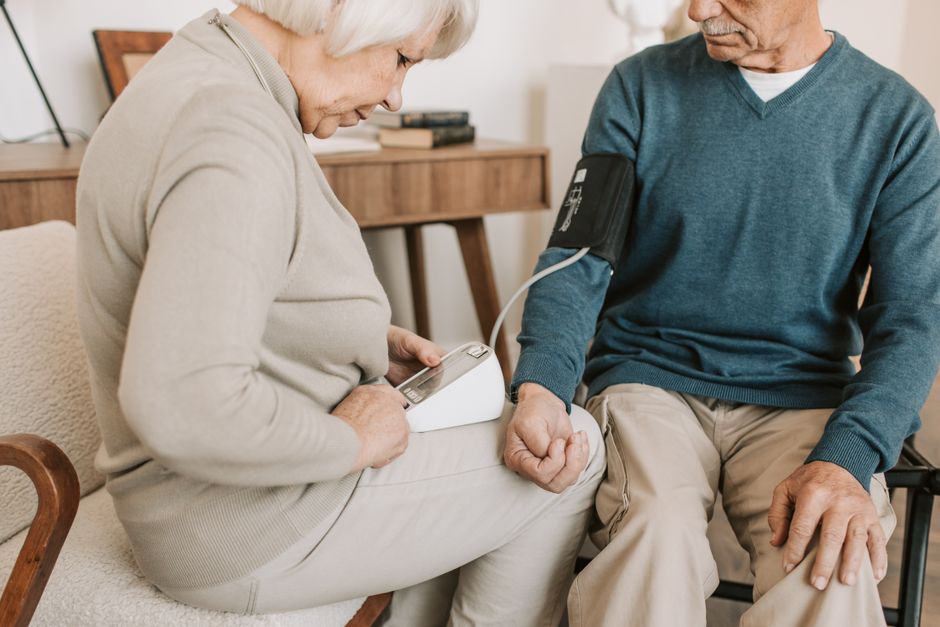
If you’re thinking about in-home care, you probably have worries. These are normal.
Cost and affordability: In-home care costs vary based on the type and frequency of services. When you’re ready to explore options, ask providers directly about what different care levels cost and what might be covered by insurance or other programs.
Safety and trust: It’s natural to wonder if a stranger in your loved one’s home is trustworthy. Licensed, background-checked providers with good reputations address this. References and high-performance ratings are good signs.
Will my loved one resist? Many seniors feel hesitant at first. They might see it as losing independence. Frame it differently: help with the hard stuff so they can focus on what matters to them.
How often do we need it? That depends entirely on their situation. Some seniors need a few hours a week; others need daily support. Start with what’s necessary and adjust from there.
FAQs About In-Home Care for Seniors in Lake Jackson
How do I know if my loved one needs in-home care?
Signs include difficulty with bathing, dressing, or meal prep; recent hospitalization or surgery; confusion or memory issues; falls or mobility problems; or just wanting companionship and support to stay in their home. If you’re unsure, a professional assessment can help you figure out what level of care makes sense.
What’s the difference between in-home care and assisted living?
In-home care brings support to your loved one’s own home. Assisted living is a residential community with services on-site. In-home care keeps your loved one in familiar surroundings with their own belongings, pets, and routines. It’s often less expensive and more flexible too.
Does insurance cover in-home care?
Some insurance plans, Medicare, and Medicaid cover certain types of in-home care—especially skilled nursing and therapy. Companion care and personal care are often out-of-pocket. Ask your provider about billing options and what insurance you might use.
How quickly can I get in-home care started?
Timing varies. Some providers can start within days if it’s urgent. Others have longer waitlists. If your loved one is coming home from the hospital, let providers know right away so they can prioritize scheduling.


